

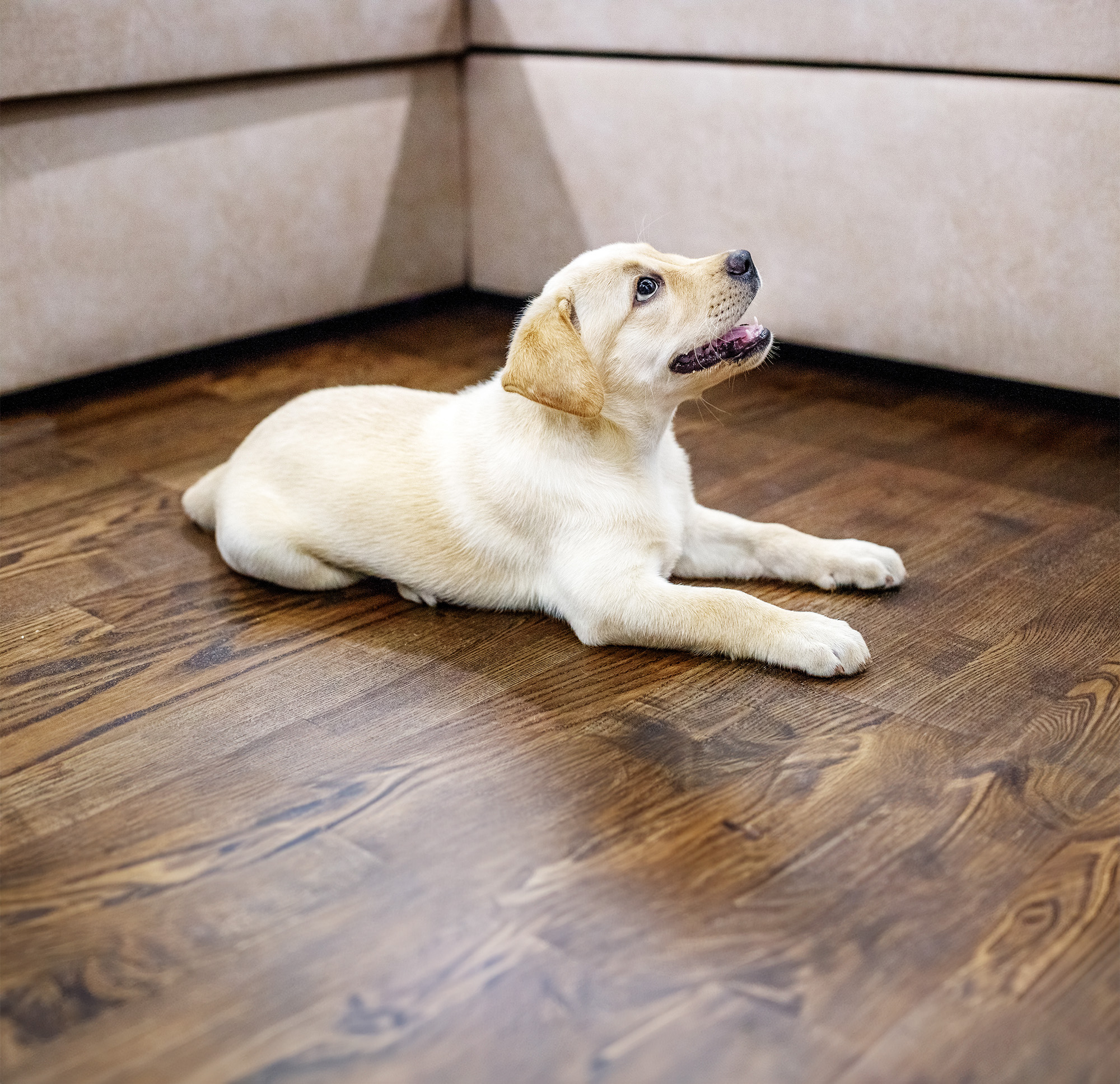
Anyone who’s run a busy vet clinic knows the floor takes a beating. You’ve got anxious dogs slipping at the front desk, exam rooms that see constant disinfecting, and recovery areas where accidents are just part of the day. The right surface has to handle all of that while still looking professional and putting pet parents at ease.
Below, we’ll walk through the strongest commercial flooring choices for veterinary environments, how they perform in real life, and where each one works best in your building.
What Veterinary Clinics Need From Their Floors
Animal-care spaces push materials harder than almost any other healthcare setting. When we help plan a new facility or remodel, we start by looking at a few non‑negotiables.
Floors must be non-porous and easy to sanitize so urine, vomit, and cleaning chemicals don’t seep into seams or subfloor. At the same time, surfaces need enough slip resistance to keep paws and people steady, even when someone just mopped up a spill.
Impact resistance matters as well. Dropped instruments, metal bowls, and rolling kennels can chip or dent softer materials. Good veterinary flooring also controls noise, because constant claw clicks and echoing barks raise stress levels for animals and staff.
A commercial specialist can balance all of those needs when planning finishes, which is why many clinics lean on a dedicated commercial flooring team that works regularly in healthcare and animal spaces.
Luxury Vinyl: The Workhorse for Exam and Treatment Areas
For most modern clinics, luxury vinyl plank or tile (LVP/LVT) ends up at the top of the shortlist. These products offer a sealed, waterproof surface that stands up well to disinfectants, bodily fluids, and frequent cleaning.
Because they come in a wide range of wood and stone visuals, you can create a warm, residential feel in reception while keeping the durability of a true commercial product in the back of house. Thicker wear layers and enhanced coatings add scratch resistance, which helps with nail traffic and rolling equipment.
Underlayment options and rigid-core constructions can soften footfall and dampen sound, making exam rooms feel calmer. Once you know this category fits your needs, our luxury vinyl plank catalog lets you sort by color, pattern, and performance level to dial in the right look.
Sheet Vinyl and Rubber for Surgery, Kennels, and Wet Zones
Some spaces in a veterinary hospital demand an even higher level of protection. Surgery suites, radiology rooms, grooming areas, and long-term kennels benefit from surfaces with minimal seams and exceptional chemical resistance.
Homogeneous sheet vinyl can be heat-welded at the seams and coved up the wall, creating a continuous, easily sanitized shell. That reduces places for bacteria to hide and makes deep cleaning much faster at the end of the day.
Rubber flooring is another smart option in recovery and kennel aisles. It offers excellent traction, softer underfoot comfort for staff on long shifts, and strong sound absorption so barking and movement don’t echo through the building. Many rubber lines also include raised textures or studded patterns that help with drainage in wash-down zones.
When we design these high-demand areas, we look at the entire lifecycle of the space — from construction through daily maintenance — to make sure the material choice supports both infection control and long-term durability across your commercial installation.
Supporting Materials: Where Tile, Concrete, and Carpet Still Fit
While resilient products carry most of the load in veterinary environments, other materials still have a role when used strategically.
Porcelain or ceramic tile with epoxy grout works well in public restrooms, staff showers, and some lobby accents, thanks to its hardness and stain resistance. The key is choosing slip-resistant finishes and planning for more intensive grout maintenance compared to seamless surfaces. If you’re preparing for a tile remodel, our tile installation checklist outlines the steps that keep construction smooth and disruption to patients minimal.
Polished and sealed concrete can serve in back-of-house storage or mechanical rooms where aesthetics matter less than toughness. In contrast, soft surfaces belong only in carefully controlled zones. For example, a small carpeted seating area away from the front door can make waiting more comfortable, but it should be isolated from direct pet traffic and backed by a strict cleaning protocol.
Seeing how different materials look together in a real space often clarifies these decisions, which is why many practice owners like to visit our Windsor or Cheyenne showroom to compare finishes side by side before finalizing plans.
Bringing It All Together for a Calmer, Cleaner Clinic
The best veterinary flooring plan usually mixes materials: resilient vinyl in reception and exam rooms, sheet goods or rubber in treatment and kennels, and harder surfaces in restrooms or utility spaces. When those choices are made thoughtfully, you get simpler cleaning, safer footing, quieter rooms, and a more welcoming experience for both clients and their pets.
If you’re planning a new hospital or updating an existing clinic in Northern Colorado or Southern Wyoming, we can help you evaluate options room by room. When you’re ready to explore specifics and pricing, you can request a free estimate and we’ll walk through your project with you.


