

If you’re constantly battling dust, sneezing fits, or that tight-chest feeling at home, your floors might be part of the problem. Soft surfaces and older materials can hang onto dust mites, pet dander, pollen, and even cleaning chemicals long after you’ve tidied up. Choosing the right flooring — and having it installed correctly — can make a real difference in how easily you breathe indoors.
Below, we’ll walk through which materials tend to work best for allergy and asthma relief, where carpet can still make sense, and how professional installation helps keep your air cleaner over the long term.
What Makes a Floor “Allergy-Friendly”?
Allergy- and asthma-conscious flooring does three main things well: it doesn’t trap allergens, it cleans easily, and it avoids unnecessary chemical emissions.
Hard, non-porous surfaces are usually the safest bet because dust and dander sit on top instead of working their way into fibers or padding. That makes it easier to remove irritants with a vacuum or microfiber mop before they become airborne again. It also helps to choose products with low VOC (volatile organic compound) finishes and adhesives, since those fumes can be just as irritating as dust for sensitive lungs.
Good installation practices matter here too. Gaps, lippage, and poorly sealed transitions can collect debris you can’t easily reach. Our in-house installers are trained to manufacturer standards, and our full list of flooring services is built around getting those details right so you’re not fighting hidden problem spots later.
Top Hard-Surface Choices for Allergy and Asthma Relief
For many families in Northern Colorado and Southern Wyoming, the healthiest upgrades start with switching to hard-surface floors in main living areas and bedrooms.
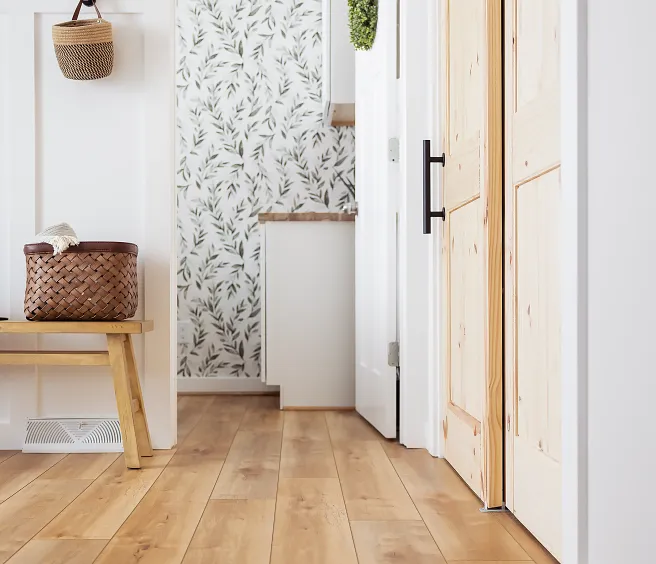
Luxury vinyl plank (LVP) is one of the most popular options because it combines a smooth, wipeable surface with strong scratch and moisture resistance. That means fewer places for dust to hide and less worry about warping or staining if you have kids, pets, or humid rooms. Once you decide this style makes sense, our luxury vinyl plank catalog lets you sort by color, wood-look style, and brand to match your design.
Tile and stone are also excellent for allergy control. They don’t absorb allergens, they tolerate frequent damp mopping, and they work especially well in entryways where outdoor pollen and soil first come into the house. If you’re leaning toward a tiled solution, our tile installation checklist explains how to prep your space so grout lines and transitions stay tight and easy to clean.
Hardwood can be a strong choice as well. With properly sealed boards and a smooth finish, dust tends to stay on the surface, where a vacuum with a hard-floor attachment can remove it efficiently. Professional acclimation and installation help minimize gaps that could collect debris over time.
Can You Keep Carpet with Allergies?
Wall-to-wall carpet has a reputation for being tough on allergy sufferers because fibers and padding can trap everything from pet dander to mold spores. That said, there are circumstances where carpet can still work — especially in low-moisture areas and bedrooms — if you’re careful about fiber type, pile height, and maintenance.
If you decide some soft surface is non-negotiable, look for:
- Low-pile styles that release dust more easily during vacuuming, paired with a high-quality HEPA vacuum and a consistent cleaning schedule.
Installation plays a big role in whether carpet supports or undermines your efforts. Tight seams, properly stretched material, and the right cushion reduce wrinkles and pockets where dust can accumulate. Our carpet installation prep guide walks through how to get rooms ready so the finished result is as smooth — and easy to clean — as possible.
Why Professional Installation Matters for Indoor Air Quality
Even the most allergy-friendly product can disappoint if it isn’t installed with health in mind. Acclimating materials in conditioned space, using appropriate adhesives, and managing dust during demolition all influence how comfortable your home feels afterward.
Because we’ve been working in homes from Windsor to Cheyenne for decades, we’ve built our process around both performance and comfort. Our in-house crews follow detailed prep checklists, similar to what you’ll see in our hardwood installation guide, to control construction dust and keep joints, trims, and transitions tight. That attention to detail helps reduce places where allergens can collect and makes routine cleaning more effective.
Planning Your Next Step
Choosing healthier flooring is as much about the installation process as the material itself. If you’re ready to talk through options for a home that’s easier to breathe in, you can request a free estimate and we’ll help you plan a solution that fits both your health concerns and your style.


