

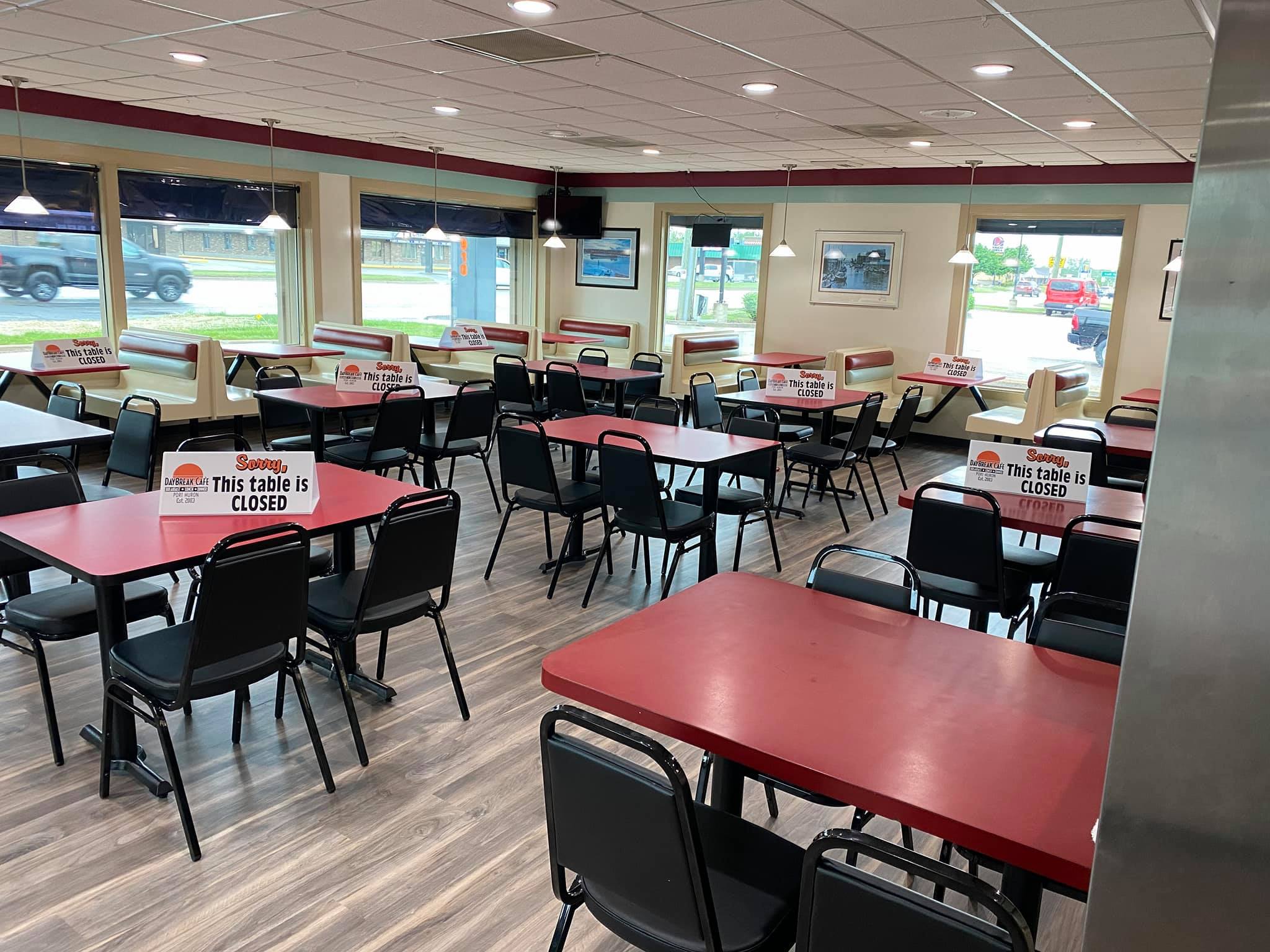
On a slow afternoon, your dining room might look spotless. But once the dinner rush hits, chairs scrape, servers hustle, spills happen, and the floor quietly takes the brunt of it all. In a restaurant, what’s underfoot has to handle constant abuse, meet health codes, and still look inviting to guests walking in the door.
Choosing the right surface isn’t about a single “best” product. It’s about matching materials to how your kitchen, bar, and dining areas really function day after day.
What Restaurant Floors Really Have to Handle
Before you compare samples, it helps to list what your space is up against. Restaurant floors see more concentrated traffic and moisture than almost any other commercial environment.
In most dining concepts, you’re asking the surface to:
- Resist scratches from chair legs, barstools, and delivery carts
- Stay safe when it’s wet from tracked-in snow, melted ice, or kitchen spills
- Clean up quickly between seatings and deep cleanings
- Meet health and fire codes for commercial interiors
- Hold its look under strong cleaning chemicals and frequent mopping
For multi-space concepts with bars, patios, and private rooms, that often means combining materials. Our commercial flooring team can help you zone different surfaces so the back-of-house, bar, and guest areas each get the performance they need without looking pieced together.
Material Choices for Front-of-House Dining Areas
In guest-facing rooms, you’re balancing durability with atmosphere. Harder materials wear well, but they also change acoustics and comfort.
Many owners gravitate toward luxury vinyl plank (LVP) because it delivers:
- The look of wood or stone without the maintenance headaches
- Good scratch and stain resistance in high-traffic aisles
- Softer, quieter footfall than ceramic or polished concrete
If you love the idea of warm wood tones or modern concrete looks, you can browse our luxury vinyl plank catalog to see how many styles are built specifically for busy commercial use.
Porcelain or ceramic tile can also be a smart choice along main traffic paths and at entries, where you need maximum durability and easy sanitation. In those areas, textured or matte finishes help with slip resistance, especially in snowy or slushy seasons.
Whatever you choose, plan for acoustics. Hard surfaces can amplify clatter; mixing in area rugs under waiting areas or soft seating can help absorb sound without sacrificing cleanability in the main walkways.
Back-of-House, Bar, and Restroom Considerations
Behind the scenes, priorities shift. Kitchens, dish rooms, and bar floors must handle standing water, grease, dropped utensils, and thermal shock from hot pans or cleaning.
In these zones, look for:
- High slip resistance when wet or greasy
- Strong resistance to chemicals and degreasers
- Comfort underfoot for staff standing all day
Dense commercial vinyl, safety flooring, or properly specified tile systems often work best here. Because we’re a Starnet member with nearly 60 years in the region, we’re used to pairing front-of-house style with back-of-house practicality in integrated commercial installations that hold up through years of service.
Restrooms sit somewhere between guest experience and hard-core performance. Many operators use tile or stone looks on the floor for durability, then tie the color palette back to the dining room so the transition feels intentional, not like an afterthought.
Planning for Installation, Maintenance, and Downtime
Even the perfect product will disappoint if the installation isn’t planned around your schedule and cleaning reality.
A few questions to work through early:
- Can the work be phased? Many restaurants tackle restrooms and private rooms first, then main dining, to reduce lost revenue.
- How will transitions be handled? Meeting points between different materials need proper trims and slopes to avoid trip hazards and cleaning issues.
- What does daily maintenance look like? Some finishes tolerate strong degreasers; others need gentler products to preserve warranties.
From dedicated project managers to in-house installers, our team coordinates timing, acclimates materials in our conditioned warehouses, and installs to manufacturer specs so you get the lifespan you’re paying for.
Ready to Map Out Floors for Your Restaurant?
Whether you’re refreshing a small café or building a new concept from the ground up, thoughtful flooring choices can improve safety, speed up cleaning, and keep your dining room looking sharp through years of rushes. When you’re ready to talk specifics, you can request a free estimate and we’ll help you compare materials, plan phasing, and align your floors with the way your restaurant really runs.
Meta description suggestion: Learn how to choose commercial flooring for restaurants in Windsor and Cheyenne, from front-of-house luxury vinyl plank to back-of-house safety surfaces, with tips on durability, slip resistance, and installation planning.


