

Walk into any school or daycare at pickup time and you’ll see exactly what floors are up against: rushing feet, rolling carts, spilled snacks, art projects, and the occasional science experiment gone wrong. The surfaces under all that activity have to be tough, safe, and easy to care for—without making classrooms feel cold or institutional. Choosing the right material is less about chasing trends and more about understanding how each space is actually used.
What Education Spaces Need From Their Floors
Classrooms, corridors, cafeterias, and nap rooms all ask different things of a surface, but there are a few non‑negotiables in education settings.
You need durability first. School and childcare floors see more daily traffic than most offices, and they’re often cleaned more aggressively. Materials that dent, stain, or delaminate quickly will cost more in disruption and replacement than you save up front. That’s why many facilities teams lean on products designed specifically for commercial installations rather than residential lines.
Safety comes next. Slip resistance in entryways and restrooms, good traction for tiny feet learning to walk, and smooth transitions between surfaces all help reduce falls. In younger classrooms, comfort underfoot matters too—both for staff who stand all day and children who spend a lot of time on the floor.
Finally, think about acoustics and cleanliness. Hard, echo‑prone corridors can make a building feel chaotic, while porous or poorly sealed surfaces can trap odors and allergens. The best solutions balance sound absorption with seamless, easy‑to‑sanitize finishes.
Best Flooring Types for Schools and Childcare Centers
No single material works everywhere, so it helps to match product strengths to each zone.
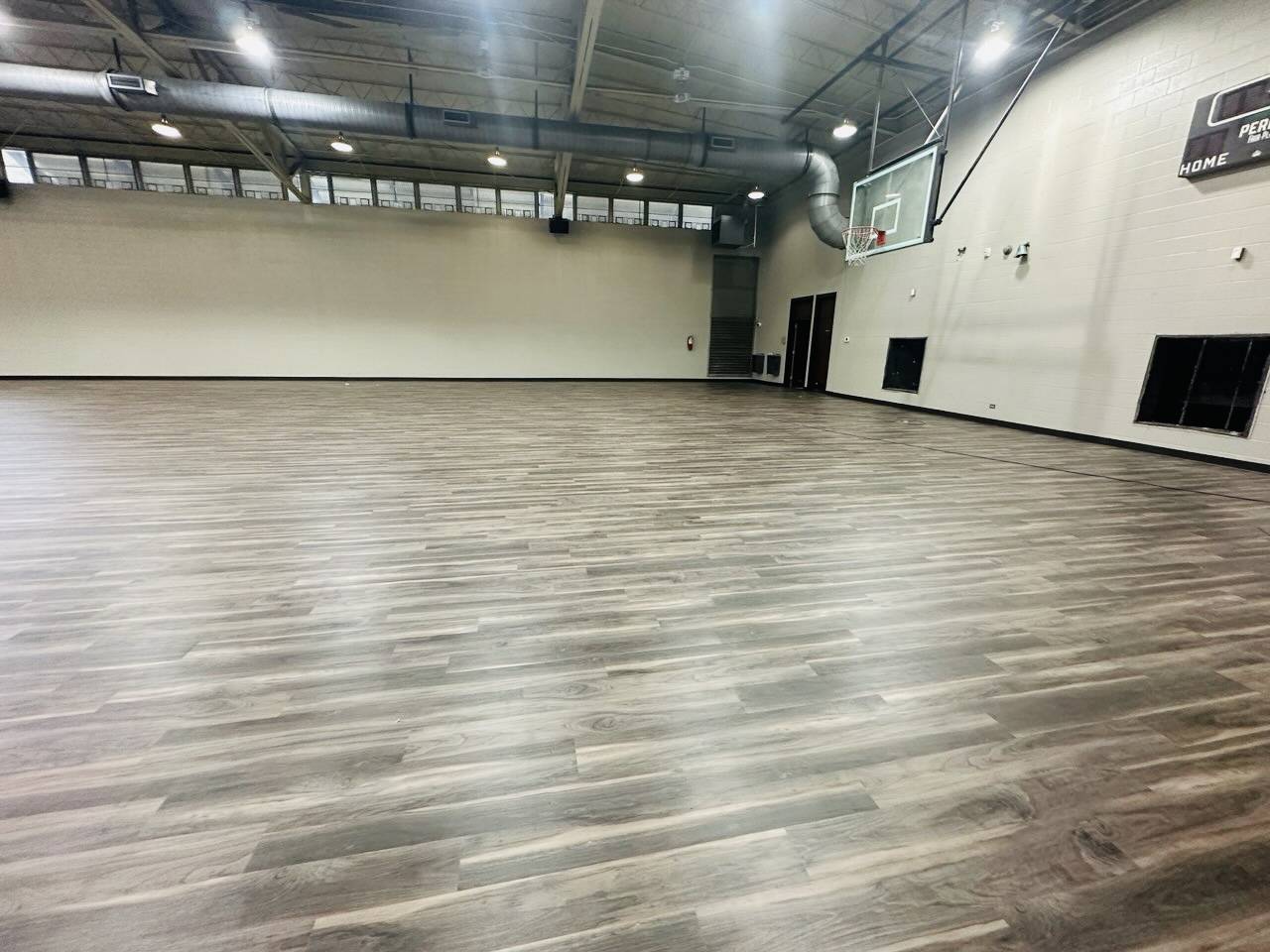
In hallways, cafeterias, and multipurpose rooms, resilient options like rubber, vinyl sheet, and luxury vinyl plank (LVP) are popular because they handle rolling loads, frequent cleaning, and layout changes. Once you’ve decided that LVP is right for your building, a curated luxury vinyl plank selection makes it easier to narrow down colors and patterns that hide scuffs without making spaces feel dark.
For classrooms serving younger children, many facilities blend resilient products with carpet tile. Carpet tiles can soften sound, add warmth, and be replaced in small sections if there’s a spill or craft‑time mishap, while resilient walkways near doors and sinks take the brunt of moisture and soil. In nurse’s offices, labs, and art rooms, seamless or tightly seamed surfaces with chemical‑resistant wear layers keep cleaning straightforward and support infection‑control protocols.
The key is to think in zones: high‑traffic, high‑mess, and high‑noise areas each benefit from slightly different combinations of texture, cushion, and cleanability.
Design, Wayfinding, and Daily Maintenance
Function comes first in education, but design decisions still matter. Color blocking can subtly guide traffic, define group areas in large rooms, and support wayfinding without extra signage. Patterns that are too busy can make dropped items harder to see, while very light solids tend to highlight every scuff.
Maintenance planning should be part of the specification conversation, not an afterthought. A finish that looks great on day one but needs specialized equipment your custodial team doesn’t have will quickly become a burden. When we walk through options, we talk frankly about cleaning routines, equipment, and staffing so the materials we recommend align with the care they’ll actually receive. For a broader look at how flooring, installation, and design support each other, it can help to scan our full list of flooring services and see how these pieces connect.
If you prefer to see colors and textures in person before committing, visiting our Windsor or Cheyenne showroom lets you compare samples under real lighting and review options with a designer who understands how schools and childcare centers operate in Northern Colorado and Southern Wyoming.
Planning Your Project With Minimal Disruption
School calendars are tight, and most daycares can’t simply shut down for weeks. Thoughtful scheduling and staging are as important as the products themselves. Phased work, holiday or break‑time installations, and clear communication with staff help keep operations running smoothly while new floors go in.
Because we manage commercial projects from planning through closeout, we look at access, storage, and moisture conditions early, then coordinate deliveries through our conditioned warehouses so materials acclimate properly before install. That approach helps protect warranties and reduces the chance of issues after students and families return.
When you’re ready to map out next steps—whether that’s refreshing a single classroom wing or re‑flooring an entire campus—you can request a free estimate, and we’ll help you choose a practical, long‑lasting solution tailored to your school or childcare environment.


