

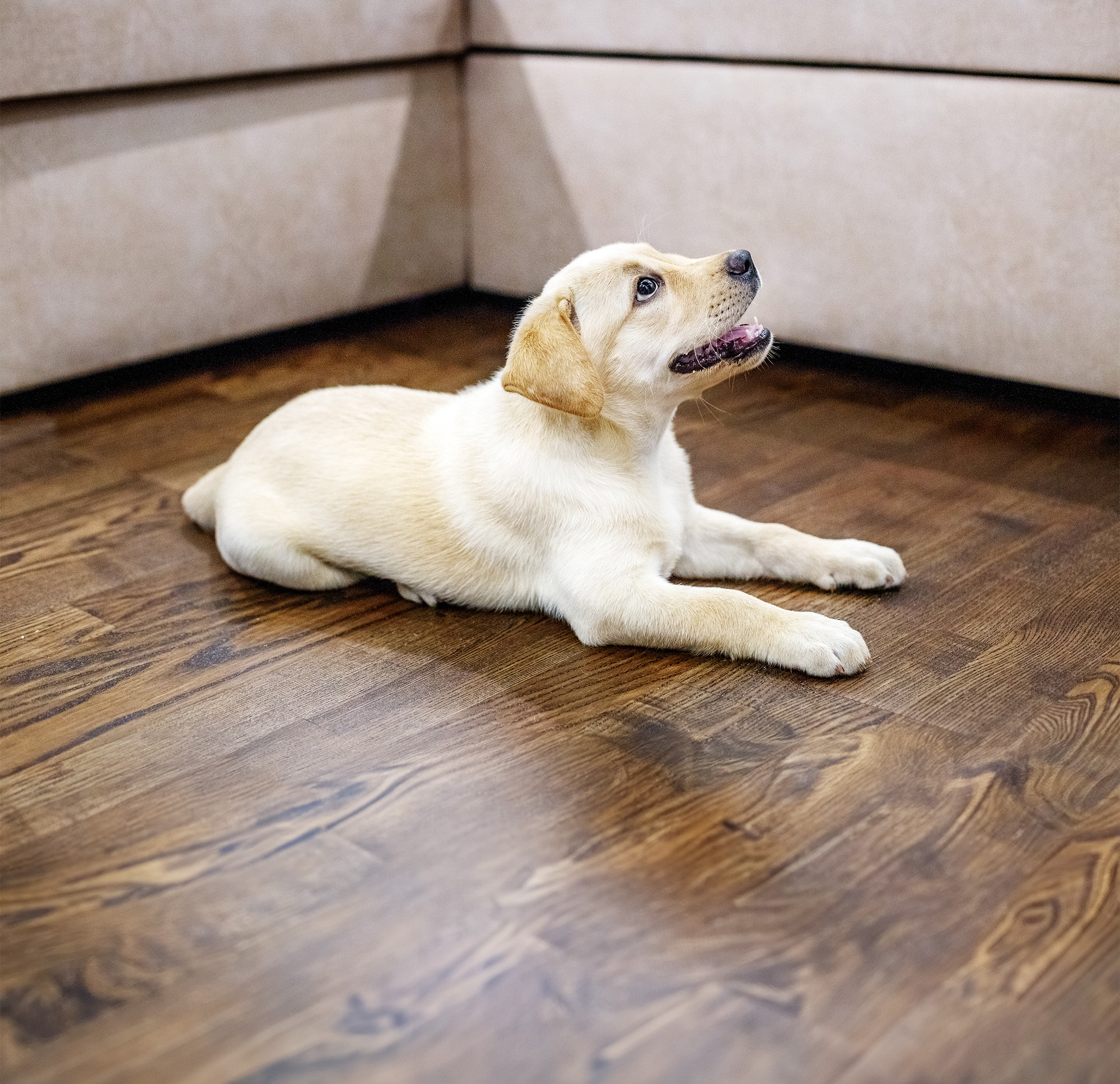
When a home includes multiple pets, the soundtrack changes fast. Nails click across hard surfaces, water bowls slosh, toys skid into baseboards, and the hallway becomes a racetrack at exactly the wrong moment. If you want a calmer interior, the right floor can make a bigger difference than most people expect. Quiet underfoot isn’t just about softness. It comes from a mix of material density, surface texture, subfloor condition, and installation quality.
Why some floors sound louder than others
Noise usually comes from impact and echo. A hard, hollow-feeling surface tends to amplify claw taps and zoomies, especially in open layouts where sound has room to bounce. That’s why the quietest option for a pet-friendly home is not always the one that feels the most solid at first touch. What matters more is how the product is built and what sits beneath it.
Luxury vinyl is popular for this reason. Many styles include a resilient core and a slightly forgiving surface that helps soften everyday sound instead of sharply reflecting it. If you’re comparing materials, browsing a luxury vinyl plank catalog can help you sort through wear layers, textures, and construction details that affect both durability and acoustics. A quieter room often starts with a floor that absorbs a little energy rather than sending it back into the space.
What to look for in a pet-friendly quiet floor
The best choice balances sound control with scratch resistance and easy cleanup. Texture matters because it can disguise minor wear while giving paws a little more grip. Thicker constructions often feel less tinny under movement, and attached pads can help reduce the sharpness of footfall noise. Wider, more open rooms may benefit even more from those details because there are fewer soft surfaces to absorb sound elsewhere.
Moisture performance matters too. In a busy household, accidents and wet paws are part of life, so a floor that handles spills quickly is easier to live with day after day. This is one reason many homeowners in Windsor choose vinyl for kitchens, mudrooms, and main living areas. The goal is not silence. It’s less disruption, less maintenance stress, and a surface that still looks composed when life gets noisy.
Installation has a bigger effect than people think
Even a well-designed product can sound wrong if the surface underneath is uneven or if transitions are handled poorly. Small dips, loose areas, or improper spacing can create extra movement, which often leads to more noise over time. A floor that feels stable tends to sound more controlled, especially when pets run the same paths every day.
Preparation is what separates a decent result from a noticeably quieter one. If you want to understand what happens before materials go down, the laminate installation guide gives a useful overview of furniture prep, clearances, and jobsite readiness that applies to many hard-surface projects. And if you’re weighing who should handle the work, our team includes in-house installers and project support that help keep the process consistent from measuring through completion.
Designing the whole room for less noise
Flooring does a lot, but it works best as part of a larger plan. Rugs with a proper pad can soften high-traffic routes. Pet feeding stations benefit from mats that reduce bowl rattle. Window treatments, upholstered seating, and wall art all help break up echo, which means the room feels calmer even when activity levels stay the same.
That bigger-picture approach is especially useful in open homes across Northern Colorado and Southern Wyoming, where one active space often flows into the next. Choosing a durable surface is important, but pairing it with the right finish level and room elements is what makes the house feel more peaceful instead of merely practical.
A quieter home with pets starts with smart material selection and ends with careful execution. If you’re ready to compare options and talk through what fits your layout, request a free estimate to get expert guidance for your project.


