

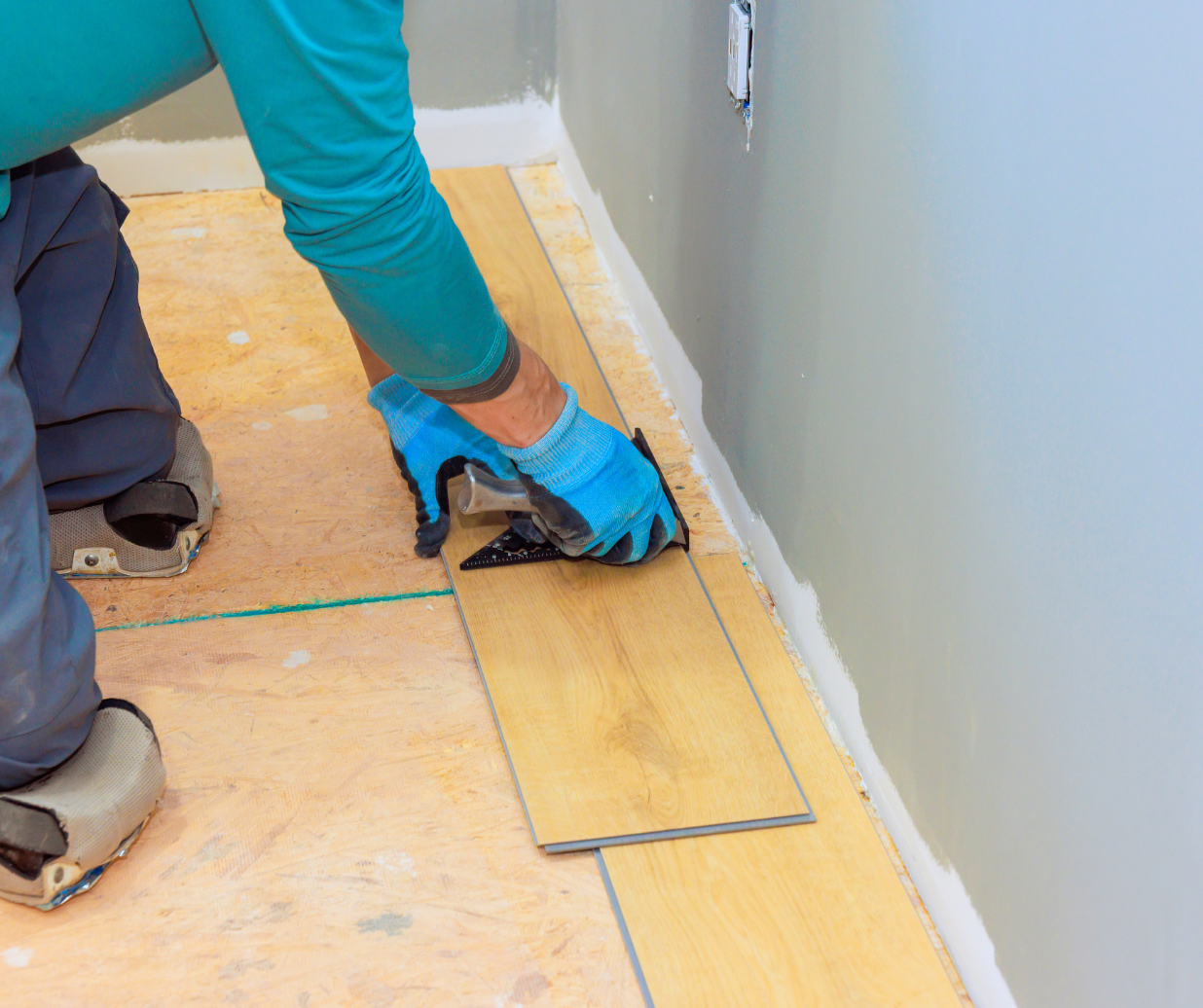
You’ve picked the perfect floor. Samples have been shuffled around the living room for weeks, and you’re finally ready to commit. Now comes the question that makes a lot of homeowners pause: do you roll up your sleeves and install it yourself, or bring in a professional crew? In our climate, with dry winters and big temperature swings, that decision can have a long-term impact on how your floors look and perform.
Below, we’ll walk through how to think about DIY versus professional installation so you can match the approach to your skills, schedule, and space.
What Really Goes Into a “Simple” Flooring Install?
Many products are marketed as easy to install, and for certain rooms that can be true. But even straightforward click-together planks depend on solid prep work. Subfloors may need leveling, moisture readings, or repairs before anything beautiful can go down. Skipping those steps can cause gaps, squeaks, or buckling months later.
Our in-house installers are trained to handle that behind-the-scenes work: checking transitions, undercutting door jambs, and planning layout so seams land in the right places. If you want a sense of everything that happens before a board is ever nailed or glued, our hardwood installation guide gives a good glimpse into the prep and planning that goes into a typical job.
Key idea: The more you’re changing—tearing out old floors, fixing subfloors, moving walls—the more value there is in having an experienced crew manage the details.
When DIY Flooring Installation Can Make Sense
There are plenty of situations where a handy homeowner can take on part or all of a project with confidence. Smaller, low-risk spaces such as guest bedrooms, basements used for storage, or temporary offices are often good practice zones.
Floating products that click together, like many laminates, tend to be more forgiving than nail-down hardwood or complex tile layouts. You still need to plan for expansion gaps, acclimation, and door clearances, but you’re not dealing with thinset or fasteners. If you’re considering tackling a project yourself, reviewing our laminate installation guide can help you understand the sequence of steps before you decide how much you want to take on.
DIY tends to work best when:
- The room is simple in shape, with few closets or angles, and you’re comfortable learning new tools and techniques.
In those cases, some homeowners even choose a hybrid approach—doing demolition and furniture moving themselves, then having a professional crew handle the actual install.
Why Professional Installation Often Pays Off
For main living areas, kitchens, and stairs, the margin for error gets much smaller. These spaces see constant traffic and are the first thing guests notice, so layout and craftsmanship really matter. Professional installers bring not just tools, but pattern experience: how to blend planks, avoid repeating tile designs, and set transitions so they feel intentional.
That’s especially important with materials like carpet and ceramic. Seams must be placed where they won’t draw the eye, and substrates need to be properly prepared. Our carpet installation prep guide and tile installation checklist show how much coordination goes into timing, access, and safety before the first piece is installed. When our own teams handle the work, everything is done to manufacturer specifications, which helps protect your product warranties and gives you one point of accountability if anything needs attention later.
If you’re weighing several types of materials and rooms at once, it can also help to step back and look at the bigger picture. Our full list of flooring services outlines how we coordinate different products, design help, and installation schedules into a single plan instead of a series of disconnected projects.
Factoring in Climate, Lifestyle, and Timeline
In this region, humidity swings and cold snaps make acclimation and expansion planning more critical than they might be elsewhere. Materials often need time in a conditioned space before installation, and expansion gaps must be sized correctly so boards don’t separate or press against walls. Our warehouses are climate-controlled, but once flooring is in your home, the environment there matters just as much.
Your household rhythm should guide your choice too. If you’re juggling kids, pets, and work, keeping a room out of commission for several weekends can be more disruptive than a focused two-day professional install. On the other hand, if you enjoy hands-on projects and can live with slower progress in a less critical room, installing part of your flooring yourself can be satisfying and cost-effective.
Big picture: DIY can save money up front, while professional installation tends to save time, reduce risk, and provide stronger long-term peace of mind.
Ready to Plan Your Next Floor?
Whether you end up handling some demolition yourself or want a turnkey experience from design through installation, we’re here to help you choose the right path for each room in your home. When you’re ready to talk through options and get accurate pricing, you can request a free estimate and our team will walk you through the best mix of DIY and professional installation for your project.


