

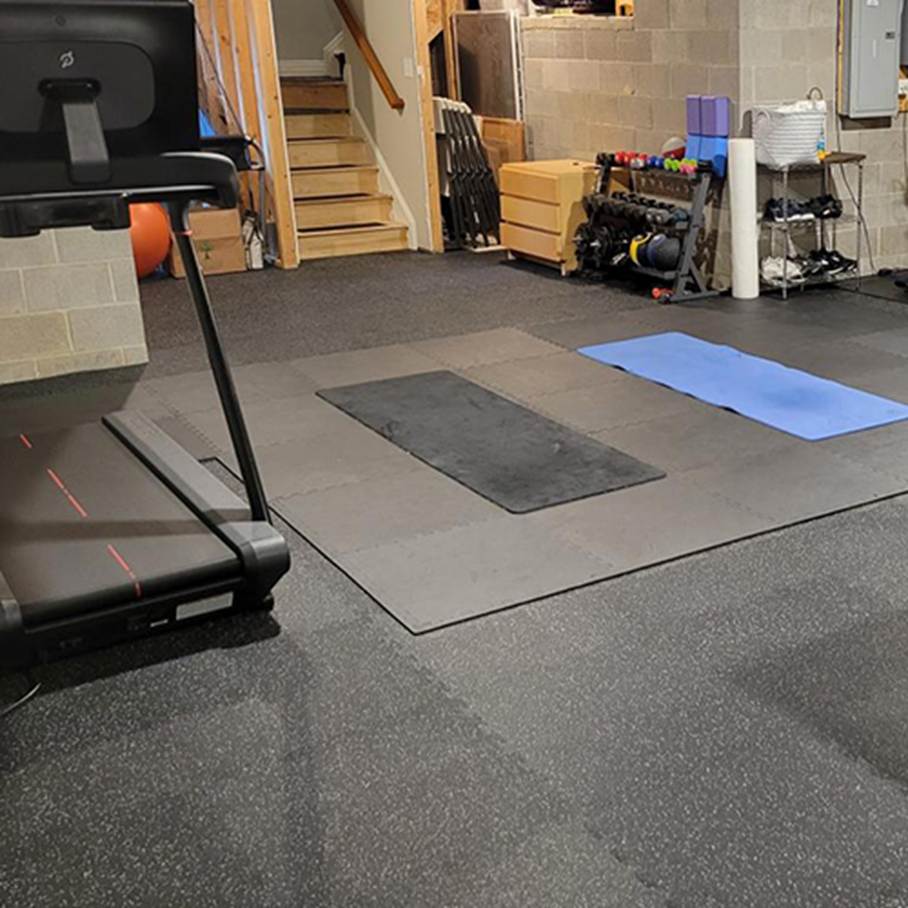
That spare bedroom, unfinished basement, or corner of the garage can become a great workout zone with surprisingly few changes. The one upgrade you do not want to skip is the surface under your feet. The right flooring protects your joints, your subfloor, and your equipment, and it helps a space switch smoothly between “gym time” and everyday life.
What Your Home Gym Floor Really Needs to Do
Before choosing materials, think through how you actually move in the space. A yoga-and-Pilates nook has very different demands than a powerlifting corner or kids’ rec room.
For most home gyms and multi-use workout areas, a smart surface should offer impact protection, traction, and dimensional stability. That means it needs enough cushion for jumps and bodyweight moves, enough grip so you are not sliding in socks, and enough rigidity so machines feel steady. In homes across Northern Colorado and Southern Wyoming, we also pay close attention to temperature swings and concrete moisture, because both can affect how a floor performs over time.
Noise matters too. Cardio machines, dropped dumbbells, and high-energy workouts can transfer sound through the structure. Materials with some built-in give can soften that impact and make early-morning sessions friendlier for the rest of the household.
Best Flooring Options for Home Gyms and Flex Spaces
Different workout styles call for different surfaces, and many homes benefit from mixing materials in zones.
Rigid-core luxury vinyl is one of the most versatile choices for multi-purpose rooms. It stands up to sweat, repeated cleaning, and heavy traffic while still looking like wood or stone. When you want a space that can host a workout in the morning and guests in the evening, exploring a curated luxury vinyl plank catalog is a practical place to start.
Laminate can also work in fitness areas that lean more toward light cardio and strength training than heavy weights. Its dense core gives exercise equipment a solid foundation, and the surface resists scuffs and scratches from regular use. If you are considering this route, our laminate installation guide explains how proper prep helps panels lock together tightly and stay stable under load.
Many homeowners pair a hard-surface floor with removable rubber tiles or mats in high-impact zones. That layered approach keeps the room visually cohesive while adding extra cushion where jumping or lifting happens. For spaces that double as family rooms, this combination often delivers the best balance of comfort and cleanability.
Matching Flooring to the Room: Basement, Bedroom, or Garage
Where your workout space lives in the house changes which materials make sense.
Basements and slab-on-grade areas often need careful moisture management. Rigid vinyl with a built-in underlayment can create a warmer, more forgiving surface over concrete while handling minor vapor transmission. In an upstairs bedroom conversion, sound transfer may be a bigger concern than moisture, so underlayment choice becomes just as important as the visible surface.
Garages bring unique challenges: temperature swings, potential for road salt or water, and the need to support both vehicles and fitness equipment. In those environments, we typically steer homeowners toward durable, water-resistant surfaces and discuss transitions between the workout zone and parking area so edges stay protected.
If you are weighing several room types at once, it can be helpful to step back and look at the broader project. Our full list of flooring services shows how we approach everything from simple refreshes to whole-home updates, including installation for hardwood, tile, vinyl, and laminate.
Planning for Installation, Safety, and Longevity
Even the best material can disappoint if it is not installed and maintained correctly. A home gym or flex room often involves tight clearances around doors, built-in cabinetry, or existing stairs, so planning matters.
Before installers arrive, you will want to think through furniture, baseboards, and door swing. Our detailed hardwood installation guide lays out a typical prep checklist, and the same principles apply to many other hard surfaces: clear the room, address paint work first, and make sure doors have enough clearance over the new floor.
Because we use in-house crews trained to manufacturer standards, we can also help you plan transitions between your workout zone and adjacent rooms. That might mean choosing a low-profile threshold so equipment rolls smoothly, or adjusting underlayment to keep finished heights consistent and reduce trip hazards.
Seeing products in person helps tie all of these decisions together. If you want to compare samples side by side or talk through how a design will flow with the rest of your home, our Windsor or Cheyenne showroom teams can walk you through options and performance tradeoffs.
Ready to Upgrade Your Workout Space?
A well-chosen floor can turn a scattered collection of equipment into a space you actually look forward to using. Whether you are carving out a corner for yoga, building a serious lifting setup, or creating a room that flexes between workouts and everyday life, we can help you plan materials, layout, and installation so everything works together. When you are ready to look at specific options and pricing, you can request a free estimate, and one of our specialists will help you map out the next steps.


