

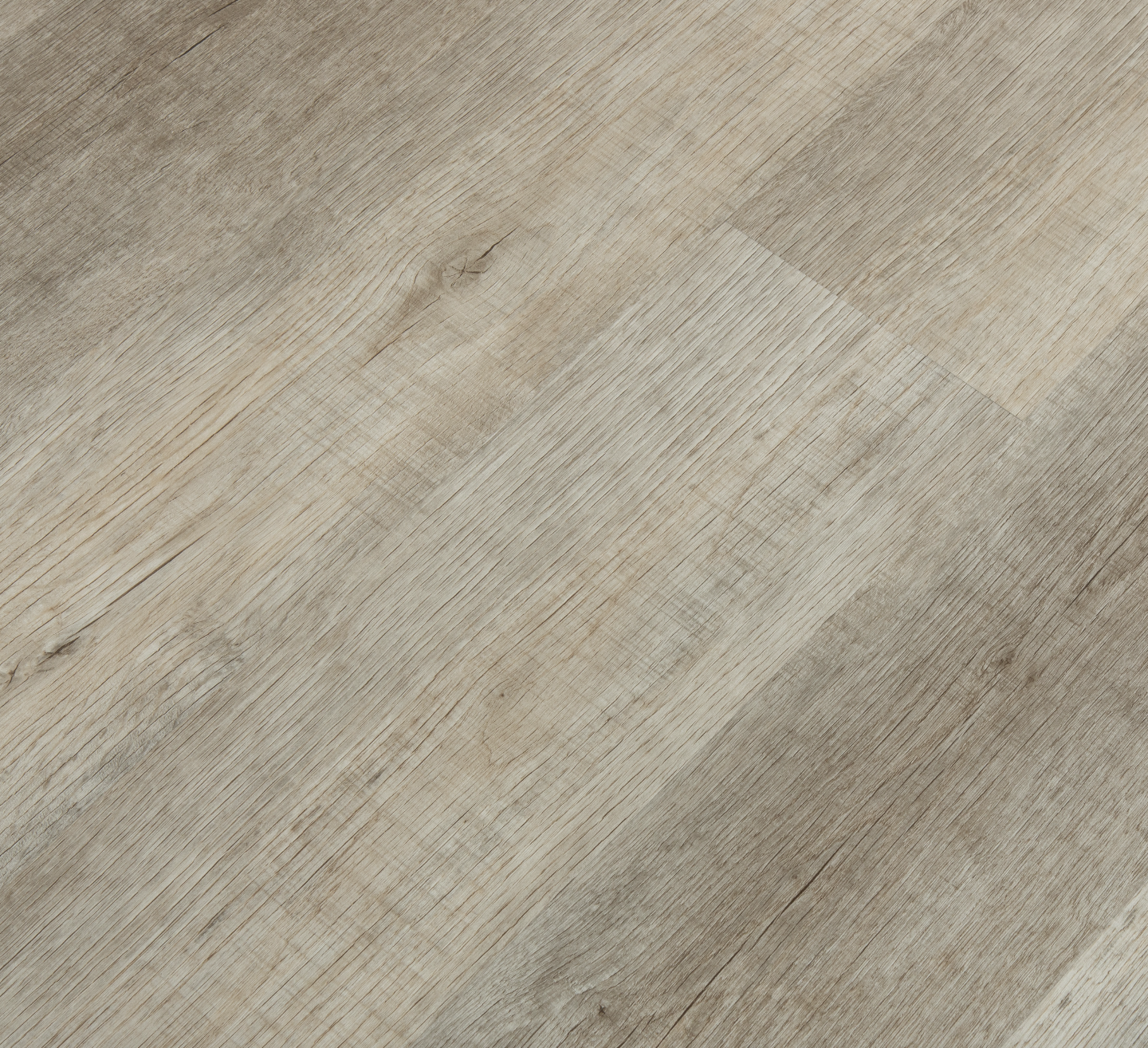
You pick up two luxury vinyl planks at the showroom. They look almost identical, cost about the same, but one is labeled 4 mm with a 12 mil wear layer and the other says 6.5 mm with 20 mil. Which one actually holds up better in your home? That’s where understanding thickness and wear layers really matters.
Below, we’ll break down what those numbers mean in plain language so you can choose confidently for every room in your house.
What “Thickness” Really Means in Luxury Vinyl Plank
Overall thickness is the full height of the plank from bottom to top, usually measured in millimeters. People often assume thicker automatically means better, but it’s more nuanced than that.
The main jobs of added thickness are comfort, sound, and stability:
- Thinner options (around 3–4 mm) can work well in low-traffic spaces or over very flat, solid subfloors. They’re often a budget-friendly way to update a guest room or small office.
- Mid-range constructions (about 4.5–5.5 mm) are common in busy homes, offering a good balance of comfort underfoot and durability.
- Heavier planks (6 mm and up, especially rigid core products with underlayment attached) feel more substantial, help quiet footsteps between floors, and can better bridge minor subfloor imperfections.
In multi-level homes around Northern Colorado and Southern Wyoming, that extra mass can noticeably cut down on echo and footfall noise. Once you understand which thickness category fits your project, you can use our luxury vinyl plank catalog to compare styles within that performance range.
Key idea: Thickness affects how the floor feels and sounds, but not how quickly it shows scratches—that’s the wear layer’s job.
Wear Layers: The Real Engine of Durability
The wear layer is the clear protective coating over the design film. It’s measured in mils (thousandths of an inch), and this is where long-term durability lives.
Common residential ranges:
- About 6–8 mil: Light-duty spaces, guest rooms, or areas with shoes-off habits.
- Around 12 mil: Busy households with kids and daily traffic.
- 20 mil and above: Great for open floor plans, active dogs, or main living areas that see constant use.
A thicker wear surface doesn’t change the look on day one—it changes how it looks in year five and beyond. With more protective material between daily life and the printed pattern, scuffs from chairs, pet claws, and grit from winter boots are less likely to reach the design layer.
In our nearly 60 years in flooring, we’ve seen that a modestly thick plank with a strong wear layer typically outperforms a chunky plank with a weak one. When you’re comparing samples, give more weight to that wear number than the total millimeters.
Matching Thickness and Wear Layer to Real Rooms
Once you know what each number does, the next step is pairing them with real-life spaces.
For a quiet upstairs bedroom, you might prioritize comfort and sound. A 5–6 mm rigid plank with a 12 mil wear layer can feel warm and solid, while still giving plenty of protection for rolling desk chairs or laundry baskets.
In a high-traffic entry or kitchen serving a busy household, it often makes sense to lean into a stronger wear layer first, then choose the thickness that works with your subfloor and transition heights. A 20 mil surface on a mid-thickness core can handle snow, mud, and daily mopping without looking tired.
If you’re planning a whole-home remodel, looking at everything together—floors, cabinets, and traffic patterns—helps you choose consistent specs that flow from room to room. Our full list of flooring services shows how we coordinate product selection with professional installation so those decisions work across the entire home instead of one space at a time.
Other Construction Details That Matter
Two planks can share the same thickness and wear layer and still perform differently because of what’s in the middle. Core type (flexible glue-down vs. rigid SPC or WPC), attached underlayment, and click-lock design all influence stability and comfort.
Rigid core planks, which are popular in Windsor and Cheyenne homes, often bring:
- Better resistance to minor subfloor unevenness
- Improved dent resistance from furniture and dropped items
- More realistic feel when paired with a quality pad
Seeing and handling different constructions in person helps a lot. You can compare how various rigid and flexible products feel underfoot when you visit our Windsor or Cheyenne showroom and talk through where each type makes the most sense.
When you understand how thickness and wear layers work together, it becomes much easier to sort through product labels and focus on what really matters for your family. If you’re ready to narrow in on the right specs for your home in Northern Colorado or Southern Wyoming, you can request a free estimate and we’ll walk you through options that balance comfort, durability, and budget room by room.


