

Luxury Vinyl Plank vs Hardwood for Northern Colorado Homes
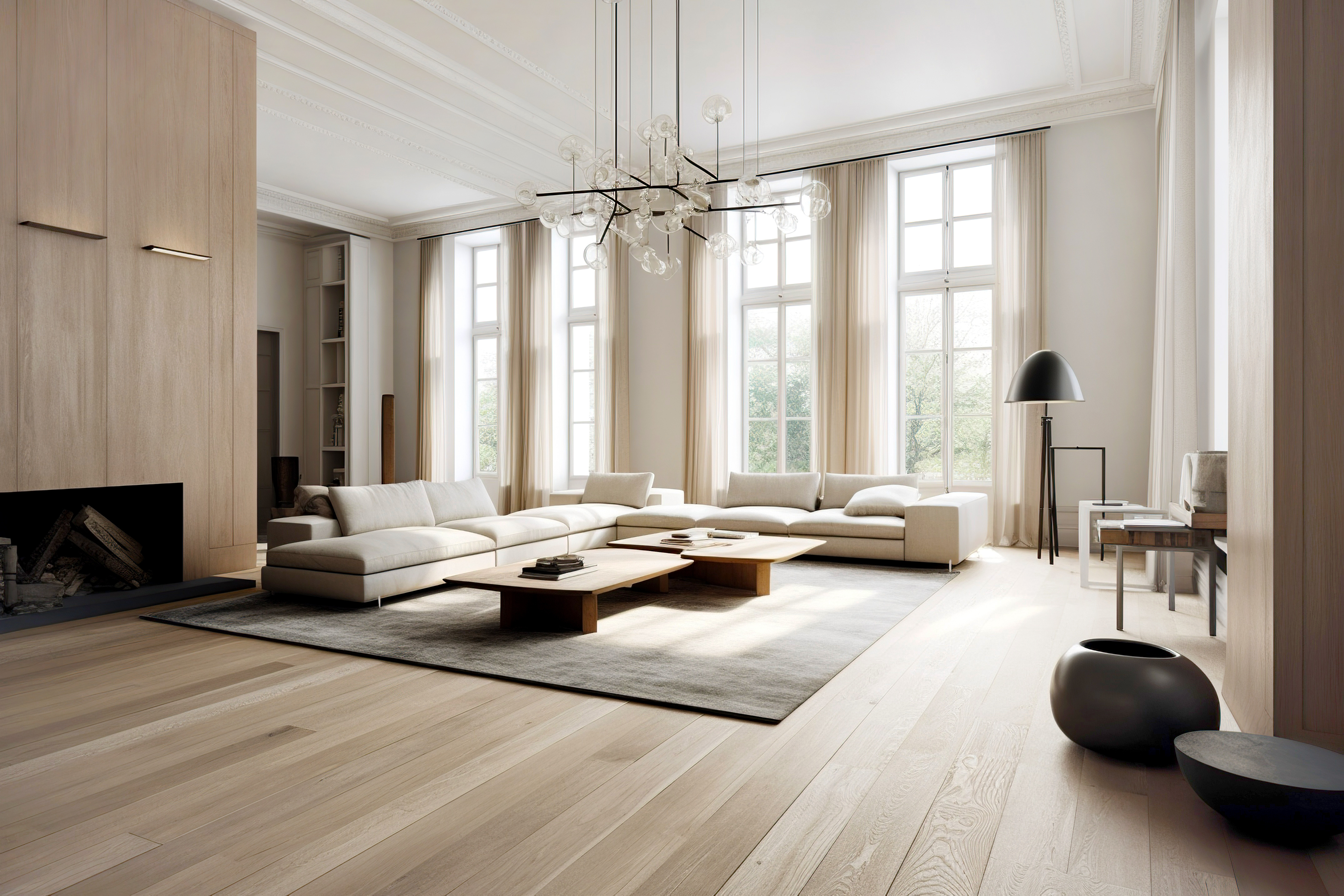
You can picture it: new, warm-toned “wood” floors running from the front door through the kitchen and family room. The question that usually stops people is simple: do you invest in traditional hardwood or go with luxury vinyl plank that just looks like it? In our dry, four-season climate, that choice has real day‑to‑day consequences.
Below, we’ll walk through how each material behaves in local homes, where luxury vinyl plank tends to shine, and when solid or engineered wood still makes sense.
How Our Climate Treats Each Type of Floor
Northern Colorado and Southern Wyoming are tough on anything made from real wood. Low humidity in winter tries to pull moisture out of boards, while summer swings and sun exposure push them to expand again. Hardwood is beautiful, but it moves with every one of those changes.
That movement shows up as:
Seasonal gaps between boards, occasional cupping, and a need for careful acclimation and humidity control
Engineered wood handles this better than solid planks, yet it still has a wood core that reacts to the air. Luxury vinyl plank (LVP), by contrast, has a stable composite or PVC core that barely responds to those swings. That stability is one reason so many families start by browsing our luxury vinyl plank options when they want a wood look without the climate drama.
The trade‑off is feel. Wood underfoot has a natural warmth and subtle variation that no synthetic can fully copy. If that organic character matters more than low maintenance, genuine timber stays in the running.
Durability, Water, and Everyday Life
The next big difference shows up in kitchens, mudrooms, and around sliding doors. Spills, snowmelt, and pet accidents are where LVP really earns its place.
Vinyl plank:
Resists surface moisture and everyday spills
Tolerates wet boots and melting snow far better than wood
Often has a tough wear layer that shrugs off dog claws and dropped toys
Traditional hardwood can be protected with finish, but standing water can still cause staining, edge swelling, or finish clouding if it sits too long. Even small leaks from a fridge or dishwasher can leave you with warped boards that need replacement or refinishing.
Noise and comfort are another angle. Many LVP products include attached padding that softens footsteps and reduces sound between levels. Wood can be quiet too, but it depends heavily on subfloor prep and underlayment. If you’re planning a full remodel and want to understand how installation details affect performance, our full list of flooring services outlines the different materials and installation types we handle every day.
Style, Resale, and Long-Term Value
Hardwood still carries a certain prestige, especially in main living areas. For some buyers, nothing quite replaces the idea of “real wood floors,” and that perception can help with resale in the right price point and neighborhood.
That said, today’s better LVP lines have:
Convincing textures that mimic wire‑brushed or hand‑scraped planks
Wide boards and long lengths that echo custom hardwood looks
Color ranges from rustic ranch to clean modern, often with better scratch resistance
Because of that, many homeowners choose wood in a few key spaces—like a formal dining room or main living area—and use LVP everywhere moisture or heavy wear is a concern. That blended approach can stretch the budget and still deliver the look you want.
If you’re leaning toward genuine timber, planning the project carefully matters. Our hardwood installation guide explains how to prepare your home so acclimation, subfloor work, and finishing all go smoothly in our dry air.
How to Decide What Belongs in Your Home
When we help families in the showroom, we usually boil the decision down to three questions:
Where will this floor live? Basements, entries, and busy kitchens tend to favor LVP. Formal spaces and smaller, quieter rooms can be great candidates for wood.
How hard will this room be used? Big dogs, active kids, and constant entertaining push many people toward thicker vinyl wear layers.
How much maintenance do you want? Wood can be refinished and refreshed over time, but it also needs more careful cleaning and humidity control. LVP is more of a “clean it and forget it” surface.
Seeing finishes in person under your own lighting is usually the moment the right answer clicks. You can compare textures and colors side by side at our Windsor or Cheyenne showroom, or start by gathering ideas from photos and samples.
Ready to Compare Options for Your Home?
Whether you end up with luxury vinyl plank throughout or a mix of wood and resilient surfaces, a quick conversation with our team can save you from expensive missteps in this climate. When you’re ready to look at specific products and pricing for your rooms, request a free estimate and we’ll help you map out materials, installation, and timelines that fit your home.


