

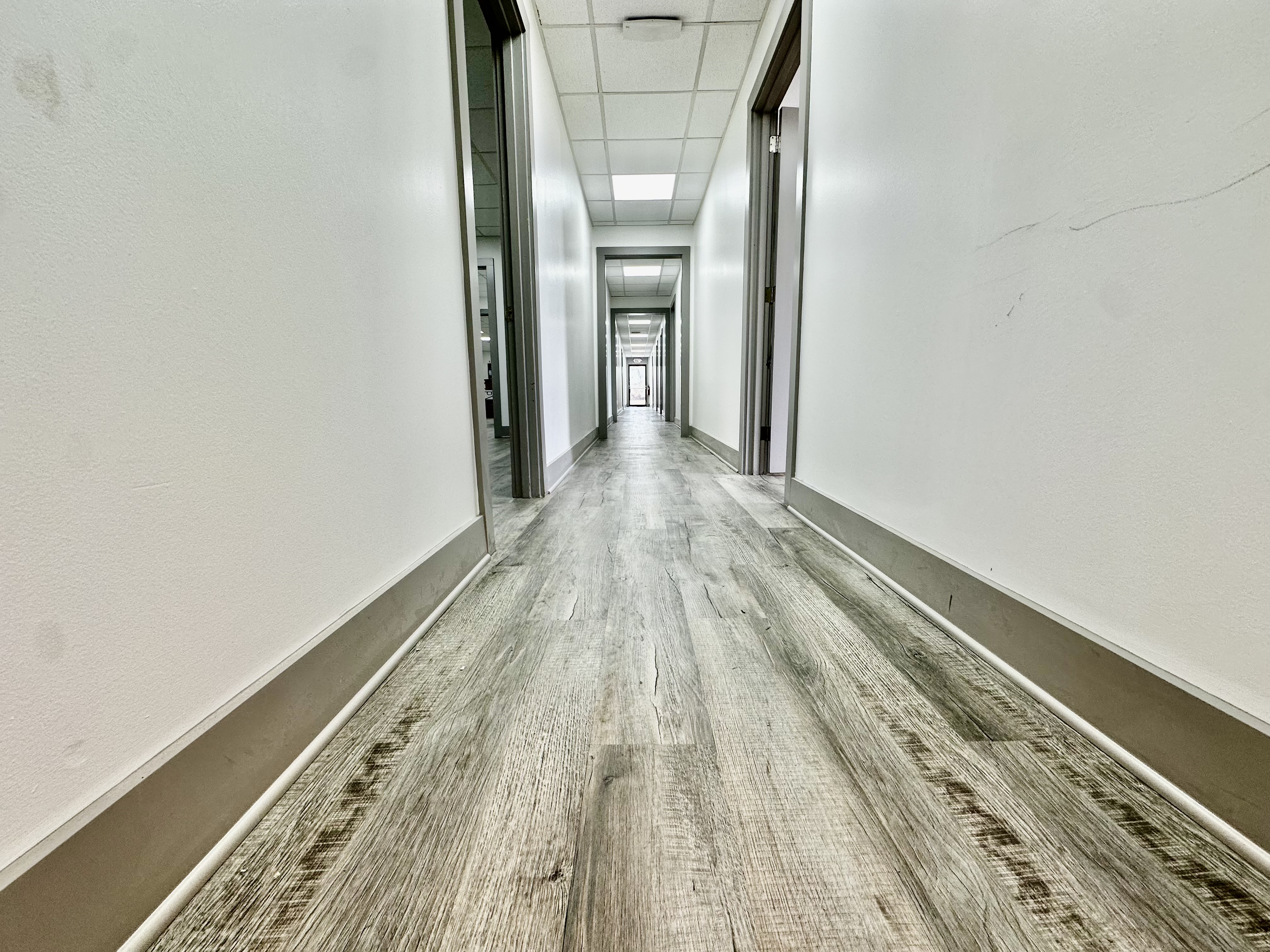
When a building never really closes, flooring decisions get more complicated fast. A hospital corridor, hotel hallway, distribution office, or late-night restaurant can’t always afford a full shutdown just because the old surface has reached the end of its life. In those spaces, the real challenge is not just choosing a durable material. It’s figuring out how to replace it without disrupting the work that keeps the business running.
Start with the operating schedule, not the sample board
Too many projects begin with color, finish, or price before anyone maps out how the facility actually functions hour by hour. For around-the-clock environments, the schedule should drive everything else. That means identifying delivery windows, quiet hours, shift changes, patient traffic, cleaning routines, and any areas that simply cannot go offline. Once that picture is clear, it becomes easier to narrow down materials and phasing strategies that fit the building instead of fighting it.
That planning step is where experienced coordination matters most. Large facilities often need work broken into zones, with one section completed while another stays active. For businesses comparing timelines, materials, and project sequencing, the overview of commercial flooring solutions is useful because it shows how different project types are handled under real operating constraints.
Downtime is expensive, so installation planning has to be precise
In a 24/7 setting, even a small delay can ripple outward. If adhesives need extra cure time, furniture can’t be moved back when expected, or access routes are blocked longer than planned, operations staff end up solving problems they didn’t budget for. That is why preparation is not a side note. It is part of the installation itself.
Good planning covers staging areas, substrate conditions, material acclimation, dust control, noise expectations, and who needs to be notified before each phase begins. It also helps to understand what crews need from the site before day one. Readers who want a clearer sense of pre-install logistics can review the tile installation guide or the laminate installation guide, both of which outline the kind of jobsite readiness details that prevent avoidable slowdowns.
Material performance should match the traffic pattern
Not every busy space wears out flooring in the same way. A healthcare setting may need easier sanitation and quieter footfall. A retail environment may care more about appearance retention at entry points. Back-of-house areas often deal with rolling loads, moisture, or debris that would quickly punish the wrong surface. The best specification comes from matching product characteristics to the type of stress the floor will actually take every day.
That is one reason luxury vinyl and other resilient surfaces are so common in active commercial interiors. They can offer strong wear performance while simplifying maintenance and, in some cases, reducing installation disruption compared with more demanding finishes. For teams weighing visuals against practical upkeep, the luxury vinyl plank catalog makes it easier to compare styles and construction options before a final specification is made.
Communication keeps phased work from becoming chaos
Even the right product can fail a project if communication falls apart. Staff need to know which entrances stay open, which rooms are off-limits, and when crews will be working overhead, underfoot, or after hours. Facility managers also need one point of contact who can adjust the sequence when real-world conditions change. A clean plan on paper only works if someone is actively managing it in the field.
That matters across fast-growing communities like Windsor and Cheyenne, where commercial spaces often need upgrades without stopping service altogether. In Northern Colorado and Southern Wyoming, businesses tend to benefit most from partners who can coordinate materials, manpower, and timing as one system rather than treating them as separate decisions.
A successful flooring project in a 24/7 building is never just about what goes on the floor. It’s about sequencing, communication, and choosing materials that support the way the space operates every day. When you're ready to map out a project with minimal disruption, request a free estimate and start the conversation with a team that understands how to plan around downtime.


