

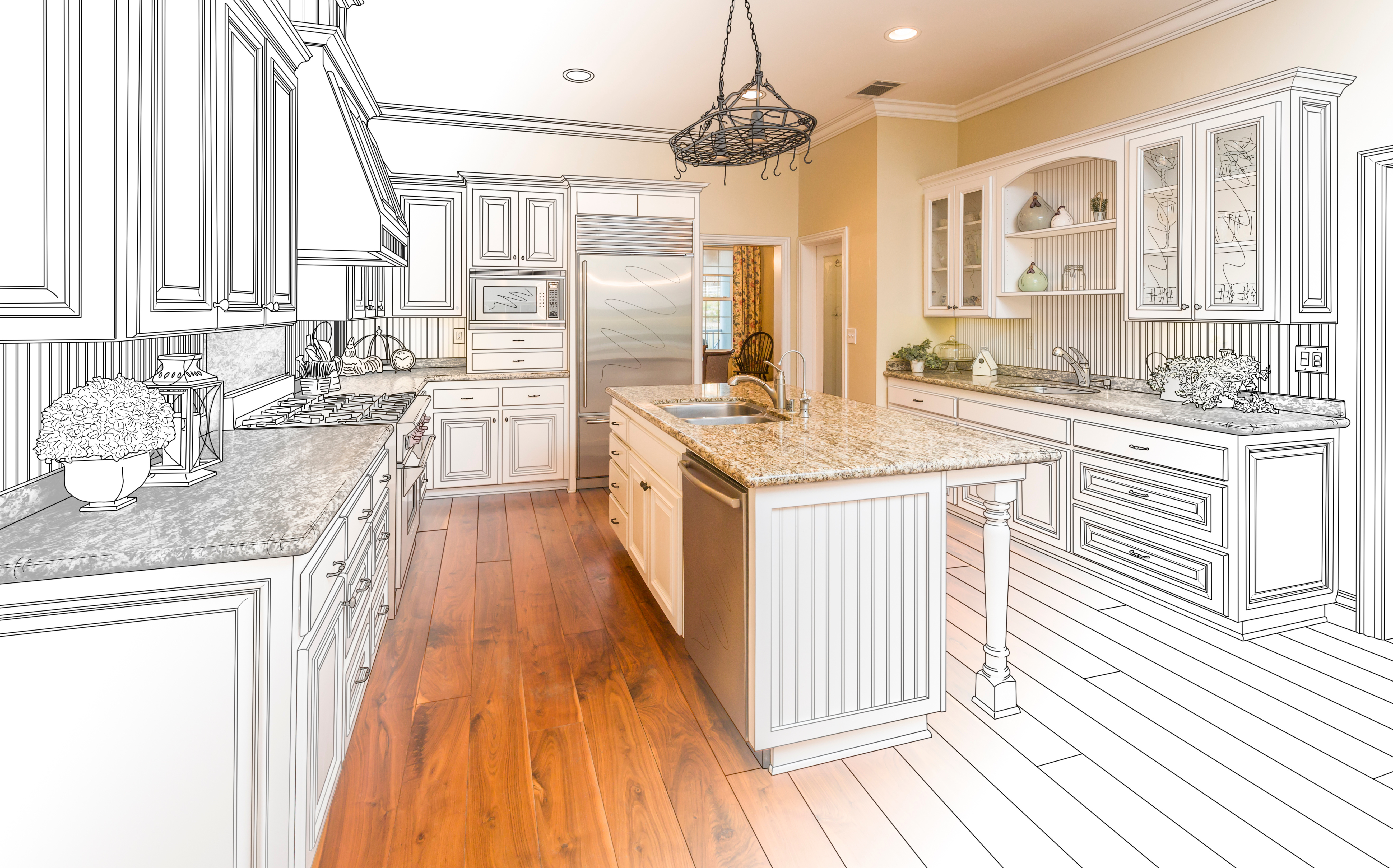
If you’re planning new floors in more than one room, the big question usually isn’t what to choose first. It’s whether you should tackle everything at once or spread the work out over time. Both approaches can make sense. The better choice depends on how you live in your home, how tightly you want the design to flow from room to room, and how much disruption you can realistically handle in one stretch.
When doing everything at once makes more sense
A full-house project often works best when the rooms connect visually and functionally. Open layouts, continuous sightlines, and shared subfloor conditions usually benefit from one coordinated plan. That approach makes it easier to keep heights consistent between spaces, avoid awkward transitions, and create a cleaner overall finish.
There’s also a practical side. When one schedule covers measuring, material delivery, prep, and installation, the process is often simpler to manage. If you’re trying to understand what happens before crews arrive and what to expect once work begins, the full list of flooring services gives helpful context on how different project types are handled. For homeowners who already know which surfaces are going into each room, a single timeline can reduce decision fatigue and prevent the home from feeling half-finished for months.
When a phased approach is the smarter move
Staggering the work can be the better call if your household can’t easily give up multiple rooms at once. That’s especially true when you have pets, young kids, shifting renovation budgets, or furniture that’s difficult to relocate in one big move. Breaking the project into stages gives you breathing room and lets you prioritize the spaces that matter most right now.
Phasing also helps when different rooms call for different materials and prep requirements. A kitchen or entry may need moisture-resistant surfaces first, while bedrooms can wait until later. If you’re weighing products for busy areas, the luxury vinyl plank catalog is a useful place to compare rigid-core styles by color, brand, and look before you finalize the next stage. The key is sequencing the work intentionally, not simply postponing decisions.
What homeowners often underestimate
The real challenge usually isn’t the installation itself. It’s the ripple effect around it. Door clearances, appliance movement, baseboards, furniture staging, and drying or cure times can all shape the smartest order of operations. That’s why some homes are easier to complete room by room, while others benefit from one coordinated push.
Preparation matters even more when you’re mixing surfaces across the house. Before setting a timeline, it helps to review what needs to happen in advance, from moving furniture to checking access points. Our hardwood installation guide outlines the kind of prep details that can affect scheduling, and the same principle applies even if hardwood is only part of the plan. In older homes around Windsor or in larger remodels near Cheyenne, those small logistics often determine whether a phased schedule feels manageable or frustrating.
How to decide without second-guessing yourself
A good rule of thumb is simple: do it all at once if consistency and speed matter most; break it up if flexibility matters more. Neither option is automatically better. The right answer depends on whether you’re optimizing for design continuity, budget pacing, household function, or all three.
It also helps to think one step beyond the material itself. If you’re coordinating floors with surrounding finishes, kitchen and bath design services can help align cabinetry, countertops, and color choices so each phase still feels connected to the next. A staged project should still feel like one plan, not a series of unrelated updates.
In the end, the best flooring schedule is the one that fits your home and your routine without creating avoidable stress. If you’re ready to map out the smartest order for your rooms, request a free estimate and get a plan built around your space.


