

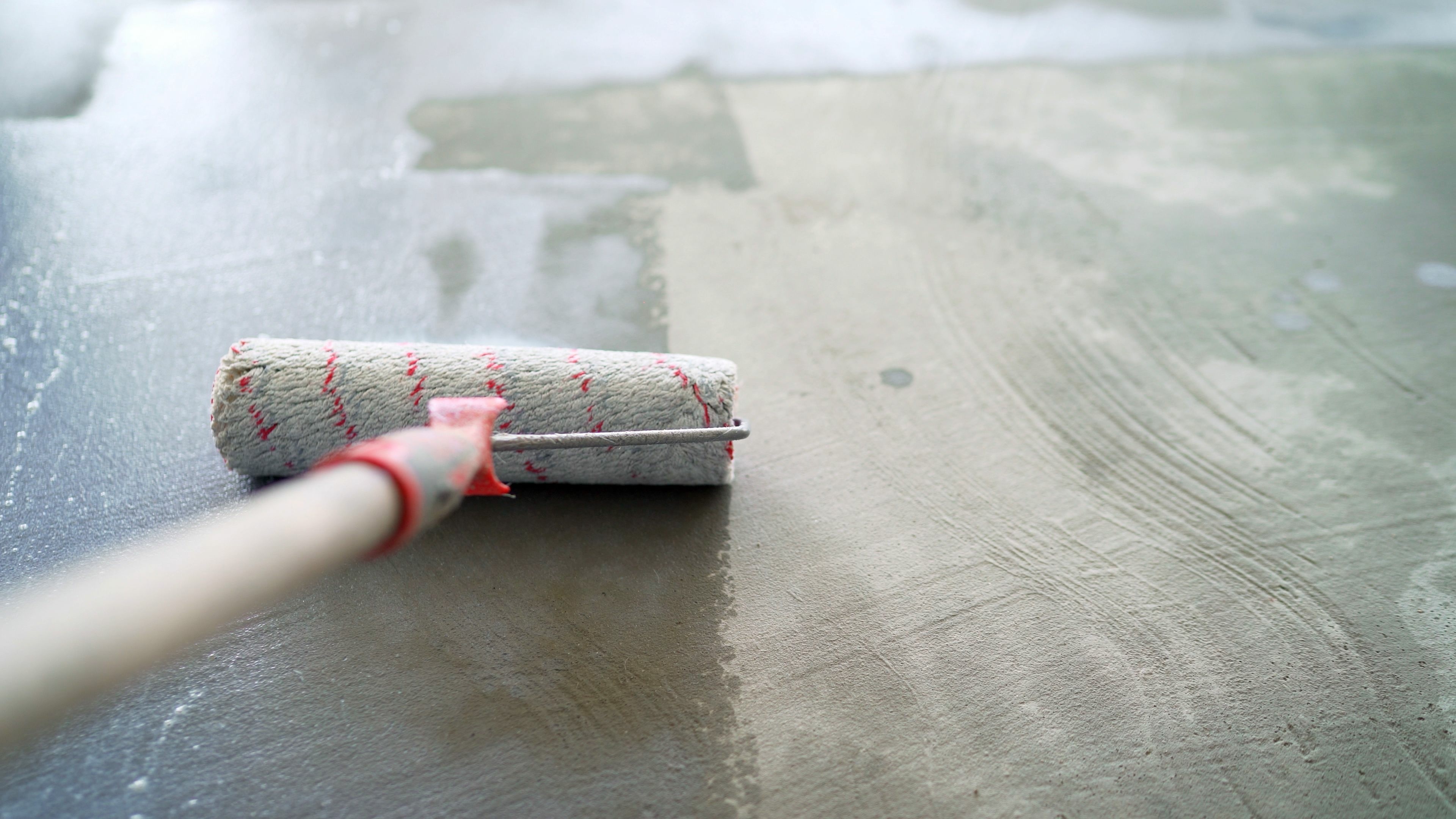
Snow, mud, and sandy grit have a way of piling up right inside the door. In busy households, the entry and mudroom see dripping boots, racing kids, and pets skidding in from outside. If that first step is on a slick surface, it only takes one bad landing to realize how important slip resistance really is.
Below are practical, design-forward flooring ideas that help keep those high-traffic zones safer and easier to live with.
What Makes a Floor “Slip-Resistant”?
A safe entry starts with traction, not just toughness. Hard-surface materials are tested for slip resistance using the dynamic coefficient of friction (DCOF). For most level indoor areas that may get wet, experts typically recommend a wet DCOF of 0.42 or higher. You’ll often find this rating on porcelain and ceramic tile spec sheets.
Beyond lab numbers, everyday safety comes from a combination of factors:
- Surface texture that adds grip without becoming hard to clean
- Matte or low-sheen finishes that don’t get glassy when damp
- Thoughtful layout, including walk-off zones and mats
- Professional installation that avoids lippage, uneven grout joints, or puddling areas
When we help plan an entry or mudroom, we look at how your household actually moves through the space, then match that to materials and textures that provide both traction and durability.
Porcelain and Ceramic Tile with Texture
Tile is a classic choice near exterior doors because it shrugs off water, salt, and slush. For safety, the finish and pattern matter as much as the material.
Textured porcelain or ceramic with a slightly raised or structured surface offers more grip underfoot than a glossy, polished look. Many collections now mimic stone, concrete, or even wood while still providing a slip-resistant finish. When you’re comparing options, look for:
- A matte or honed surface rather than polished
- Subtle texture you can feel when you run your hand across the tile
- A suitable DCOF rating for wet areas on the manufacturer’s technical sheet
Grout joints add additional traction because each line breaks up the surface. Our crews follow manufacturer guidelines and industry standards so your tile installation prep supports good drainage, even transitions, and a comfortable walking surface.
Luxury Vinyl and Waterproof Planks
If you want warmth underfoot with family-friendly performance, luxury vinyl plank and rigid-core waterproof flooring are strong contenders for mudrooms. These products are designed to handle puddles, pet accidents, and tracked-in dirt without swelling or cupping the way traditional wood can.
For safer entries, we typically suggest:
- Textured wear layers that mimic wood grain or stone clefts
- Low-gloss finishes that don’t become mirror-slick when damp
- Tight locking systems to avoid gaps that catch heels or collect water
Once you narrow in on this category, our luxury vinyl plank catalog lets you filter by color, brand, and style so you can match traction and performance with the exact look you want.
Smart Layouts, Transitions, and Installation Details
Even the best material can feel unsafe if the details are overlooked. Entries and mudrooms benefit from a zoned approach: a highly water-resistant surface right inside the door, then a softer material as you move deeper into the home. That might mean tile by the threshold transitioning to vinyl or laminate in the hallway.
Key installation and layout choices that affect slip resistance include:
- Slope and leveling so water doesn’t pool in one spot
- Thoughtful transition strips between surfaces to prevent trip hazards
- Door clearance and threshold planning so mats and rugs sit flat
- Proper subfloor prep so tiles don’t crack or shift over time
Our crews handle everything from subfloor checks to final walk-throughs, and our flooring services overview explains how hardwood, carpet, tile, vinyl, and laminate installations are coordinated under one roof. In a region where entries regularly see snow and mud, that level of planning makes a real difference.
Design Tips to Keep Entries Safer and Cleaner
Safety and style can absolutely go together. To keep your foyer or mudroom looking pulled together while staying practical, consider these design strategies:
Choose medium-tone colors and subtle patterning to disguise splashes and paw prints between cleanings. Incorporate built-in storage or benches so boots have a landing zone instead of dripping across the room. If you prefer a softer step, limit rugs to low-profile, non-skid mats placed on top of a hard, slip-resistant surface so you still have a safe base layer when mats are lifted for cleaning.
Seeing textures and finishes in person is invaluable, which is why many homeowners visit our showroom locations to compare options side by side before deciding what belongs at their front door.
Ready to Rethink a Slippery Entry?
Thoughtful material choices, the right surface texture, and careful installation can turn a risky threshold into a safer, more welcoming space that stands up to the weather swings we see across Northern Colorado and Southern Wyoming. When you’re ready to explore options for your own entry or mudroom, you can request a free estimate and we’ll help you design a solution that looks good, cleans easily, and keeps every step more secure.


